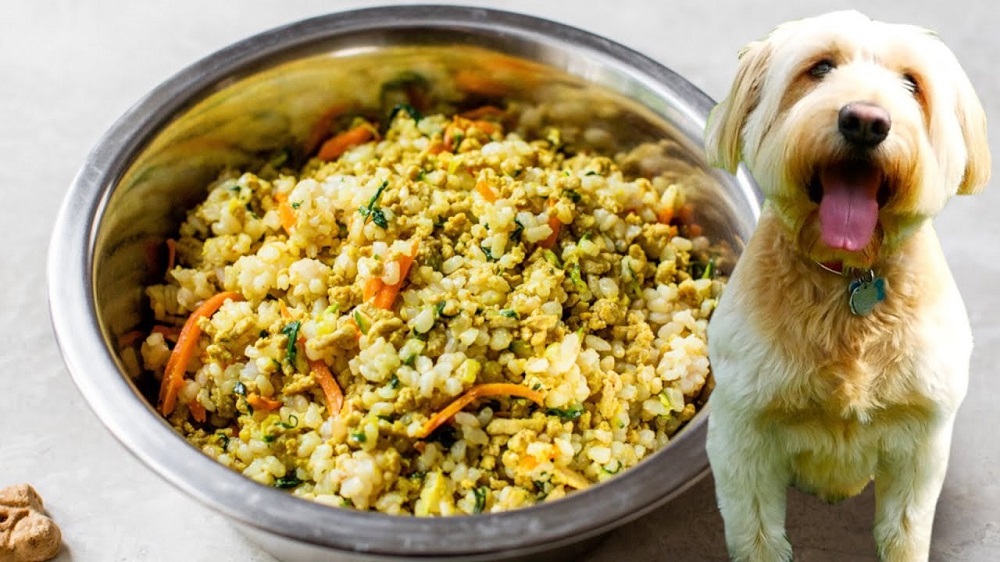
For decades, the standard routine for feeding a pet was simple. Owners walked down the supermarket aisle, selected a bag of dry kibble or a stack of canned wet food, and scooped it into a bowl. This commercial, highly processed diet was marketed as the ultimate achievement in canine convenience and balanced nutrition. Recently, however, a massive shift has been occurring in kitchens across the country. More dog owners are bypassing the pet food aisle entirely, choosing instead to chop, cook, and prepare fresh, homemade meals for their canine companions.
This movement toward home-cooked dog food is driven by a profound transformation in how people view their pets. Dogs are no longer seen merely as property or backyard animals; they are viewed as authentic members of the family. As human dietary trends lean heavily toward whole foods, organic ingredients, and minimal processing, owners are naturally extending these health philosophies to their four-legged family members. The rising skepticism surrounding commercial manufacturing practices, combined with a desire to maximize pet longevity, has turned home cooking from a niche hobby into a mainstream pet care phenomenon.
What Is Driving the Homemade Dog Food Movement?
Several key factors explain why pet parents are willing to dedicate their time and kitchen resources to preparing fresh food for their dogs.
Transparency and Control Over Ingredients
The primary driver behind the homemade food trend is the desire for total ingredient transparency. Commercial pet food labels can be notoriously opaque. Terms like meat by-products, animal digest, and generic bone meal leave owners wondering exactly what parts of what animals are entering their dog’s body. Furthermore, mass-market kibble frequently relies on heavy fillers, synthetic preservatives, and artificial dyes to remain shelf-stable for months. By cooking at home, owners retain complete control over the sourcing and quality of every single ingredient, ensuring their pet eats human-grade proteins and fresh vegetables.
Fear of Commercial Recalls and Contamination
Skepticism toward the commercial pet food industry has been fueled by a continuous cycle of high-profile recalls. Over the years, major brands have had to pull products from shelves due to lethal contamination with pentobarbital, toxic levels of vitamin D, mold-produced aflatoxins, and pathogenic bacteria like Salmonella. For many owners, a single recall scare is enough to permanently shatter their trust in commercial processing plants, prompting them to take food safety into their own hands.
Managing Chronic Health Conditions and Allergies
Just like humans, modern dogs suffer from a wide range of chronic health issues, including obesity, diabetes, kidney disease, and severe food allergies. Many dogs possess intolerances to the common proteins or chemical binders found in commercial kibble, leading to chronic skin irritation, ear infections, and gastrointestinal distress. A homemade diet allows owners to design an elimination diet, isolating specific ingredients to determine exactly what triggers their dog’s symptoms. Fresh, easily digestible ingredients often bring rapid relief to dogs with sensitive stomachs or compromised immune systems.
The Core Components of a Balanced Canine Diet
Cooking for a dog is significantly more complex than simply sharing table scraps or tossing a chicken breast into a bowl with some rice. Dogs are omnivores with highly specific micro- and macro-nutrient requirements that differ dramatically from human dietary needs. A successful homemade diet must achieve a delicate nutritional balance across several foundational categories.
-
High-Quality Proteins: Protein forms the structural foundation of a dog’s diet, providing the essential amino acids required for muscle maintenance, tissue repair, and immune function. Excellent sources include lean ground beef, turkey, chicken, pork, lamb, venison, and fish like wild-caught salmon or sardines.
-
Healthy Fats and Fatty Acids: Fats are a dense energy source and are crucial for brain development, cellular health, and hormone production. Essential fatty acids, particularly Omega-3 and Omega-6, must be added through ingredients like flaxseed oil, cold-pressed coconut oil, or wild fish oil to maintain a glossy coat and reduce systemic inflammation.
-
Digestible Carbohydrates: While controversial in some raw-feeding circles, gently cooked, complex carbohydrates provide vital dietary fiber and accessible energy. Whole grains like brown rice, oatmeal, and quinoa, alongside starchy vegetables like sweet potatoes and pumpkin, support healthy digestion and solid stool formation.
-
Dog-Safe Fruits and Vegetables: Fresh produce delivers vital antioxidants, vitamins, and minerals. Blueberries, cranberries, spinach, kale, carrots, green beans, and broccoli are fantastic additions to a canine bowl, helping to combat oxidative stress and support cellular longevity.
The Hidden Risks of Kitchen Formulation
While the intentions behind homemade feeding are universally positive, the execution can be fraught with hidden dangers if not approached with scientific rigor. The single greatest risk associated with a homemade diet is nutritional deficiency or toxicity developed over time.
The Danger of Nutritional Deficiencies
A dog’s body requires a precise ratio of calcium to phosphorus to maintain skeletal health. Meat is naturally high in phosphorus and low in calcium. If an owner feeds a strict diet of muscle meat without an exact calcium supplement, the dog’s body will begin leaching calcium from its own bones to maintain blood levels, leading to severe skeletal deformities and fractures. Similarly, deficiencies in vital trace minerals like zinc, iodine, and iron, or vitamins like choline and vitamin E, can take months or years to manifest outwardly, eventually causing organ failure or immune collapse.
Accidental Poisoning From Human Foods
Many ingredients that are perfectly healthy for humans are highly toxic to canine physiology. A well-meaning owner could easily compromise their dog’s health by failing to thoroughly vet every ingredient.
Critical foods to completely exclude from any canine recipe include:
-
Onions, Garlic, and Chives: These contain thiosulfate, which damages canine red blood cells, causing hemolytic anemia.
-
Grapes and Raisins: Even tiny quantities can trigger acute, irreversible kidney failure in susceptible dogs.
-
Macadamia Nuts: These cause severe neurological symptoms, including muscle tremors, weakness, and vomiting.
-
Avocados: The pit, skin, and leaves contain persin, which can cause severe gastrointestinal distress.
-
Xylitol: This artificial sweetener, often found in peanut butter or baked goods, causes a rapid, life-threatening drop in blood sugar and liver failure.
How to Successfully Transition to a Homemade Diet
If you decide that a homemade diet is the correct choice for your companion, the transition must be handled methodically to protect your dog’s health.
Consult a Veterinary Nutritionist
Before purchasing a single ingredient, schedule a consultation with a board-certified veterinary nutritionist. These specialized professionals utilize advanced software to formulate custom recipes tailored precisely to your dog’s age, weight, breed, activity level, and medical history. They will provide an exact recipe layout, including the precise weight of each ingredient and the specific multi-vitamin or bone-meal supplement required to fill the nutritional gaps.
Step-by-Step Dietary Transitioning
A dog’s digestive system produces specific enzymes tailored to the food they consume regularly. A sudden change from dry kibble to rich, fresh food will almost always trigger acute vomiting or diarrhea.
To avoid this, implement a gradual transition over a minimum of seven to ten days:
-
Days 1 to 3: Feed 75 percent of the original commercial food mixed with 25 percent of the new homemade recipe.
-
Days 4 to 6: Mix equal parts 50 percent commercial food and 50 percent homemade food.
-
Days 7 to 9: Transition to 25 percent commercial food and 75 percent homemade food.
-
Day 10: Feed 100 percent of the balanced homemade meal, monitoring stool consistency closely throughout the process.
Frequently Asked Questions
Is it acceptable to feed my dog a completely raw homemade diet instead of cooking the food?
Raw feeding, often called the BARF or Prey Model diet, is popular but carries distinct risks that cooked diets do not. Raw meats can harbor dangerous pathogens like Salmonella, E. coli, and Listeria, which can cause severe illness in both the dog and the human family members handling the raw food. Cooking ingredients thoroughly eliminates these bacterial risks while retaining the vast majority of the food’s nutritional value, making it a much safer option for typical households.
Can a dog survive and thrive on a strictly vegetarian or vegan homemade diet?
While dogs are taxonomically classified as carnivores, they are physiologically omnivores and can technically survive on a carefully managed meat-free diet. However, formulating a balanced vegetarian or vegan homemade diet is exceptionally difficult and carries a high risk of amino acid deficiencies, particularly taurine and L-carnitine, which are critical for heart health. Any meat-free canine diet must be designed and monitored directly by a veterinary nutritionist to prevent dilated cardiomyopathy.
How do I properly store bulk batches of homemade dog food?
Because homemade dog food lacks artificial preservatives, it spoils quickly. Freshly cooked meals can be kept in airtight containers in the refrigerator for up to three to four days. For long-term storage, portion the food into individual daily servings using freezer-safe bags or containers and freeze them. Frozen homemade dog food remains nutritionally stable for up to three months and should be thawed completely in the refrigerator before serving.
Do I need to cook the bones if I include them in a homemade recipe?
No, you should never feed a dog cooked bones under any circumstances. Cooking changes the cellular structure of bone, making it brittle and highly prone to splintering. Splintered bones can pierce a dog’s stomach or intestinal lining, leading to life-threatening internal bleeding and emergency surgery. If your recipe requires calcium from bone, use an ultra-fine bone meal powder specifically formulated for canine consumption.
Will switching to a homemade diet cause my dog to lose weight?
Fresh, homemade diets are typically much higher in moisture and protein and lower in carbohydrates than commercial kibble, which can naturally lead to a leaner body mass. However, unintentional weight loss can also occur if the recipe is too low in caloric density. It is vital to weigh your dog weekly during the initial months of a homemade diet to ensure they are maintaining a healthy body condition score.
Is it more expensive to feed a dog a homemade diet compared to premium kibble?
In almost all cases, a fresh homemade diet is significantly more expensive than commercial dry food, especially for medium to giant breed dogs. The cost of human-grade proteins, fresh produce, and specialized nutritional supplements accumulates rapidly. Additionally, owners must factor in the non-monetary cost of prep time, cooking, portioning, and freezer space, making it a substantial financial and lifestyle commitment.
Can I use standard human multivitamin pills to balance my dog’s homemade food?
No, human multivitamins are formulated specifically for human biological needs and can be highly toxic to dogs. Human vitamins often contain ratios of fat-soluble vitamins, such as Vitamin A and Vitamin D, that are far too concentrated for a dog’s liver to handle, potentially leading to organ toxicity. Furthermore, many human supplements contain artificial sweeteners like xylitol or binders that can harm canine systems. Always use supplements designed explicitly for dogs.
