For many pet owners, a visit to the veterinary clinic only occurs when something is visibly wrong. We wait until a dog limps, a cat stops eating, or a pet displays obvious signs of distress before picking up the phone to schedule an appointment. While reactive medicine is essential for managing acute injuries and sudden illnesses, relying solely on emergency care ignores a fundamental truth of animal biology. Animals are instinctually hardwired to conceal their pain, weaknesses, and vulnerabilities. By the time a pet shows outward symptoms of a disease, the underlying condition has often progressed to an advanced, more dangerous, and more costly stage.
Shift the paradigm from treating illnesses to preventing them. Preventive veterinary care is a proactive approach to animal health that focuses on regular wellness exams, routine diagnostic screenings, early lifestyle interventions, and robust immunization schedules. By investing in preventive care throughout your pet’s life, you establish an early defense system that can intercept chronic diseases before they compromise your companion’s quality of life, ultimately maximizing their lifespan and preserving the bond you share.
The Core Components of a Wellness Examination
The cornerstone of preventive care is the comprehensive annual or bi-annual wellness exam. This visit is not just a quick check for shots; it is a thorough, head-to-tail physical evaluation conducted by a trained medical professional.
During a routine exam, a veterinarian evaluates several critical physiological systems:
-
Ocular and Auditory Assessment: Examining the eyes for early signs of cataracts or retinal issues, and checking the ear canals for hidden deep-seated infections, polyps, or parasites.
-
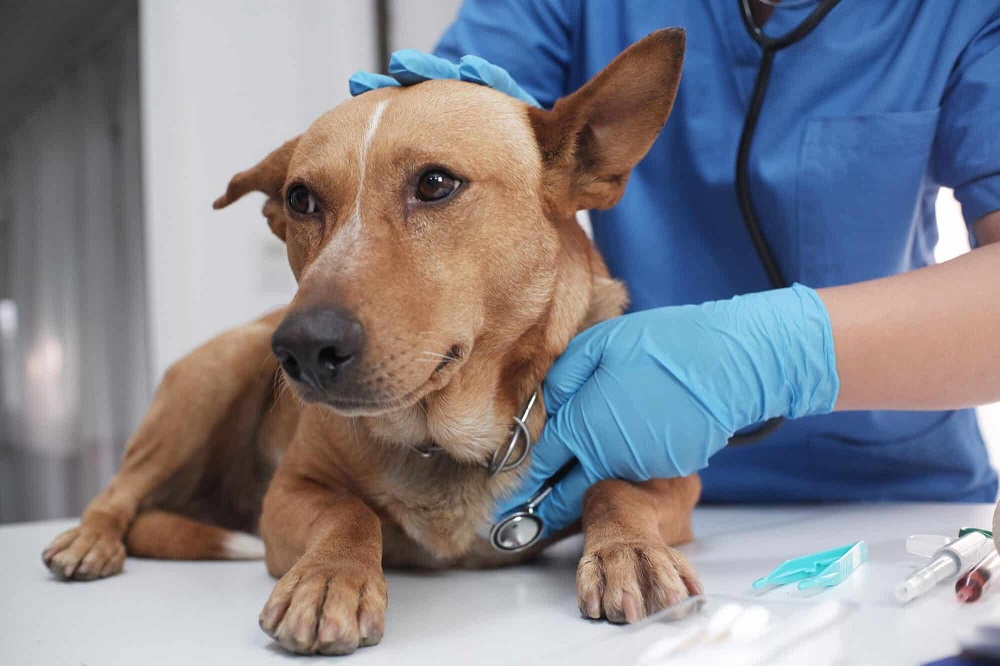
Cardiopulmonary Auscultation: Listening to the heart and lungs with a stethoscope to detect subtle heart murmurs, arrhythmias, or abnormal lung sounds before they progress to congestive heart failure.
-
Musculoskeletal Evaluation: Palpating the joints and spine to identify early-onset arthritis, muscle wasting, or localized pain that the pet may be hiding at home.
-
Abdominal Palpation: Feeling the internal organs to check for unusual masses, structural changes in the liver or kidneys, or abdominal fluid accumulation.
-
Weight and Body Condition Scoring: Tracking fluctuations in weight to catch sudden losses, which can indicate metabolic diseases like diabetes, or weight gains that place unnecessary stress on the joints.
These examinations allow veterinarians to notice subtle deviations from the norm that an owner might easily miss in daily interactions.
Early Diagnostic Screenings: Peeking Beneath the Surface
While a physical exam provides vital information about an animal’s external health, many chronic conditions begin silently within the bloodstream and organ systems. Routine diagnostic testing acts as an early warning system, allowing veterinarians to see what a physical exam cannot reveal.
Baseline Blood Chemistry and Complete Blood Counts
Annual blood work is highly recommended for adult pets and is non-negotiable for senior animals. A complete blood count measures red blood cells, white blood cells, and platelets, revealing hidden anemia, systemic inflammation, or clotting disorders. A blood chemistry panel evaluates organ function, pinpointing early stages of kidney insufficiency or liver disease long before clinical symptoms appear. For instance, cats can lose up to two-thirds of their kidney function before showing increased thirst or weight loss, making early blood screenings a lifesaver.
Fecal Floating and Urinalysis
A routine urinalysis screens for urinary tract infections, hidden bladder stones, and early signs of diabetes or metabolic disorders by checking glucose and protein levels. Simultaneously, fecal evaluations screen for internal microscopic parasites like roundworms, hookworms, giardia, and coccidia. Many of these parasites are zoonotic, meaning they can be transmitted from pets to human family members, making routine fecal screenings an essential measure for public health within the home.
The Protective Shield of Immunizations and Parasite Prevention
Preventative medicine has largely eradicated many of the devastating infectious diseases that historically decimated companion animal populations. Maintaining a strict, customized immunization protocol is vital for keeping these pathogens at bay.
Core versus Non-Core Vaccines
Vaccines are divided into core vaccines, which are required for all animals due to the severity and transmissibility of the disease, and non-core vaccines, which are recommended based on a pet’s unique geographical location, lifestyle, and exposure risk. For dogs, core vaccines protect against rabies, parvovirus, distemper, and canine hepatitis. For cats, core vaccines target rabies, feline viral rhinotracheitis, calicivirus, and panleukopenia. Your veterinarian can tailor non-core choices, such as Lyme disease or feline leukemia vaccines, to fit your pet’s daily habits.
Year-Round Parasite Control
Internal and external parasites do more than cause mild discomfort; they serve as vectors for life-threatening diseases. Fleas can cause severe allergic dermatitis and transmit tapeworms, while ticks carry debilitating pathogens like Lyme disease, anaplasmosis, and Rocky Mountain spotted fever. More critically, heartworms, which are transmitted via simple mosquito bites, migrate to the heart and lungs, causing severe damage and potential death if left untreated. Year-round preventive medication is the only reliable way to safeguard your companion against these pervasive threats.
Dental Prophylaxis and Overall Systemic Health
One of the most frequently neglected aspects of preventive pet care is oral health. Periodontal disease is the most common clinical condition diagnosed in adult dogs and cats, with the majority of pets showing signs of oral disease by three years of age.
Dental disease begins when bacteria mixes with food particles to form plaque, which quickly hardens into tartar. Left unchecked, this tartar migrates beneath the gumline, destroying the supportive bone structures of the teeth, causing chronic, debilitating pain.
However, the consequences of periodontal disease extend far beyond bad breath and loose teeth. The inflamed gums provide a direct gateway into the animal’s bloodstream. Bacteria from the mouth can travel throughout the body, micro-colonizing vital internal organs and causing irreversible damage to the heart valves, kidneys, and liver over time. Routine professional dental cleanings under anesthesia, combined with regular home brushing, are critical components of a comprehensive preventive care strategy.
The Financial Logic of Prevention
Many owners avoid routine veterinary care due to concerns regarding the immediate cost of exams and diagnostics. This is a short-sighted perspective that frequently leads to severe financial strain down the road.
Preventive care is significantly less expensive than emergency, reactive medicine. For example, the lifetime cost of purchasing a monthly heartworm preventive is a fraction of the cost required to treat a full-blown heartworm infection, a process that requires expensive, high-risk medication and months of strict confinement. Similarly, managing early-stage kidney disease with a simple dietary change is far more manageable and affordable than financing an emergency hospitalization for acute kidney failure. Investing in routine wellness visits is an effective insurance policy against predictable, catastrophic medical expenses.
Frequently Asked Questions
How often should an otherwise healthy adult pet visit the veterinarian for a checkup?
Healthy adult dogs and cats between the ages of one and seven should receive a comprehensive wellness examination at least once a year. For senior pets, which are animals over the age of seven, the timeline should accelerate to bi-annual visits every six months, as their health dynamics can shift rapidly in a short period.
Why does my pet need to be tested for heartworms every year if they take regular preventive medication?
No preventative medication is one hundred percent effective, and missed doses can occur due to scheduling errors or a pet spitting out a pill unnoticed. Giving heartworm preventative medication to an animal that already has an active, mature heartworm infection can trigger a sudden, life-threatening allergic reaction, making an annual blood test a vital safety precaution before prescribing refilling prescriptions.
Can indoor cats skip regular preventive care and vaccinations?
No. While indoor cats face a lower risk of contracting certain infectious diseases compared to outdoor cats, they are not completely immune. Pathogens can enter the home on your shoes or clothing, and insects like mosquitoes can easily bypass window screens, carrying heartworm risks inside. Additionally, indoor cats are highly prone to age-related issues like kidney disease, diabetes, and dental disease, requiring regular medical monitoring.
What are titers, and can they replace routine vaccinations for my dog?
A titer test is a diagnostic blood screening that measures the concentration of specific antibodies in your pet’s bloodstream to determine if they still possess active immunity against a disease. While titers can be highly useful for determining if a booster vaccine is necessary for certain viruses like parvo or distemper, they cannot legally replace the mandatory rabies vaccination required by state and local laws.
Why is anesthesia necessary for a thorough veterinary dental cleaning?
Unlike humans, pets will not sit still with their mouths open while a clinician uses sharp scaling instruments near their gums. Anesthesia is critical because it eliminates pain, keeps the animal completely immobile to prevent accidental injury, and allows for the insertion of an endotracheal tube that protects their airway from inhaling bacteria-laden water and debris during the cleaning process.
At what age is a pet officially considered a senior, and how does their care change?
In general, dogs and cats are categorized as seniors when they reach roughly seven years of age, though giant breed dogs can reach senior status as early as five. Senior preventive care places a much heavier emphasis on comprehensive diagnostic blood chemistry panels, thyroid testing, blood pressure monitoring, and targeted screenings for osteoarthritis and age-related cognitive decline.
How does preventive care impact my pet’s behavioral health?
Many sudden behavioral changes, such as unexpected aggression, litter box avoidance, continuous vocalization, or destructive chewing, are directly triggered by hidden physical pain or medical conditions like urinary tract infections or arthritis. Routine preventive visits help isolate and resolve these underlying medical triggers, restoring your pet’s behavioral stability and emotional equilibrium.