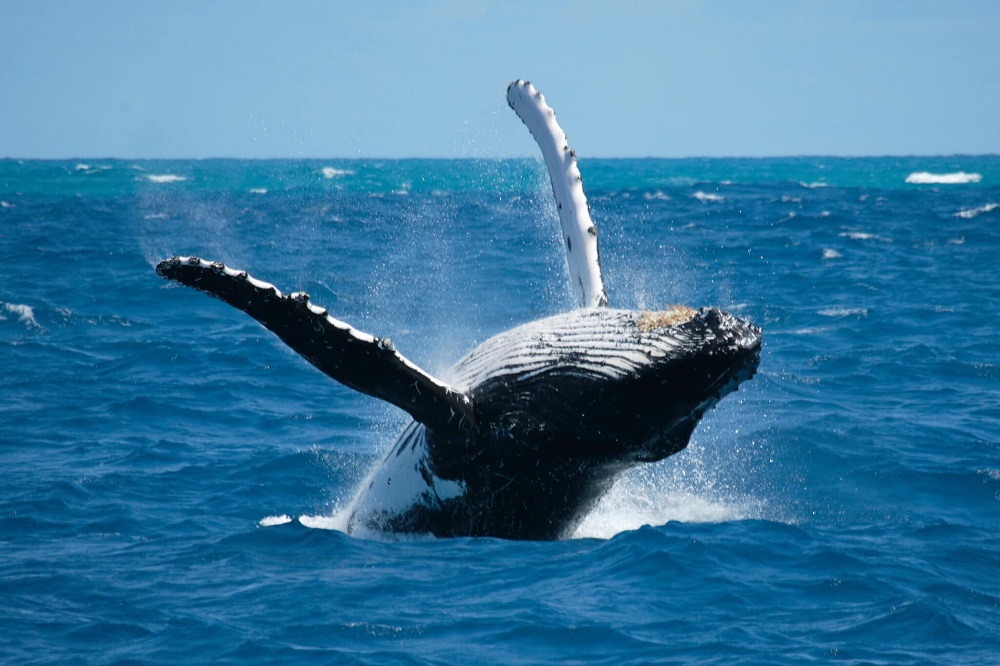
The pristine, silent depths of the ocean depicted in popular media are largely a myth. Naturally, the marine environment is a dynamic acoustic world filled with the crackle of snapping shrimp, the rumbling of underwater earthquakes, and the vocalizations of whales. For millennia, marine organisms have evolved to rely on sound as their primary sense. Because light penetrates only a few hundred feet beneath the surface, acoustic energy is the most effective medium for long-distance communication, navigation, and survival in the dark ocean.
In recent decades, however, human activity has transformed this underwater acoustic landscape. The modern ocean is filled with the relentless drone of commercial shipping, the intense blasts of seismic airguns used in oil and gas exploration, and the high-powered pings of military sonar. This phenomenon, known as ocean noise pollution, is an invisible threat. Unlike visible pollutants like plastic or oil spills, acoustic pollution cannot be seen, yet its impact on marine ecosystems is widespread and destructive.
The Underwater Soundscape and Marine Biology
To understand the impact of noise pollution, it is essential to recognize why sound is critical to marine life. Sound travels approximately five times faster in water than in air, and it can travel thousands of miles across ocean basins without losing significant energy.
Marine animals use sound for almost every aspect of their daily survival:
-
Communication: Whales and dolphins use complex vocalizations to maintain social structures, contact calves, and coordinate group hunting.
-
Navigation: Many species use acoustic cues from the environment, such as the sound of waves breaking on reefs, to find suitable habitats.
-
Foraging: Odontocetes (toothed whales and dolphins) use echolocation to detect and track prey in pitch-black waters.
-
Predator Detection: Fish and marine mammals listen for the subtle sounds of predators approaching to avoid being eaten.
When human activities introduce loud, unnatural sounds into this environment, they mask these vital acoustic signals, creating a chaotic and stressful environment for marine inhabitants.
Primary Sources of Anthropogenic Ocean Noise
Human-generated, or anthropogenic, ocean noise generally falls into two categories: continuous, low-frequency background noise and acute, high-intensity pulsed noise.
Commercial Shipping
The global merchant fleet has grown exponentially over the past century. Large cargo ships, tankers, and cruise liners produce continuous, low-frequency noise primarily through a process called cavitation. As propeller blades spin rapidly through the water, they create vacuum bubbles that collapse violently, generating a constant rumble. This low-frequency noise matches the exact frequencies used by large baleen whales, effectively drowning out their communications across entire ocean basins.
Seismic Airgun Surveys
Used extensively by the energy industry to map the seabed for oil and gas deposits, seismic surveys are among the loudest man-made sounds in the ocean. Arrays of airguns are towed behind vessels, releasing high-pressure bubbles of compressed air every few seconds for days or weeks at a time. These blasts can reach sound levels that would be deafening on land and can be heard thousands of miles away from the source.
Military Sonar
Naval forces use active sonar systems to detect submarines. These systems emit intense acoustic pulses that travel through the water column. Active sonar operates at various frequencies and at decibel levels known to cause severe physiological and behavioral distress in marine mammals, particularly deep-diving species like beaked whales.
Physiological Impacts on Marine Organisms
The physiological consequences of noise pollution on marine life range from temporary hearing loss to physical trauma and death.
Hearing Damage and Auditory Fatigue
Just like humans, marine animals can experience hearing damage when exposed to loud noises. This damage is categorized as either a Temporary Threshold Shift (TTS) or a Permanent Threshold Shift (PTS). A temporary shift allows the animal’s hearing to recover after a period of quiet, whereas a permanent shift results in irreversible hearing loss. For an animal that relies entirely on its hearing to survive, a permanent threshold shift is often a death sentence, rendering it unable to find food or detect predators.
Decompression Sickness and Barotrauma
High-intensity sounds, particularly military sonar, have been directly linked to mass strandings of beaked whales. When exposed to sonar mid-dive, these animals experience extreme panic. To escape the noise, they alter their diving behavior, surfacing much too rapidly. This rapid ascent causes nitrogen gas bubbles to form in their blood and tissues, leading to a condition identical to decompression sickness, or the bends, in human divers. Autopsies of stranded whales have revealed severe hemorrhaging in the ears and brain tissue caused by these pressure changes.
Behavioral Disruptions and Habitat Displacement
Beyond physical injury, noise pollution alters the natural behaviors that sustain marine populations.
Communication Masking
When background noise levels rise, marine animals experience communication masking. This is similar to trying to hold a conversation in a crowded room. To be heard, some whales have been observed changing the pitch of their songs or repeating their calls, a response known as the Lombard effect. This requires significantly more energy. When the background noise becomes too loud, communication breaks down entirely, leading to isolated individuals, separated mothers and calves, and failed mating opportunities.
Foraging Interference
Echolocating marine mammals rely on the return of their acoustic clicks to visualize their surroundings and locate prey. When seismic airguns or vessel noise flood the area, these echoes are lost in the noise. Research shows that harbor porpoises and killer whales significantly reduce their foraging activity or stop hunting altogether when vessel noise passes a certain threshold, leading to nutritional stress.
Habitat Abandonment
Marine animals will actively abandon critical feeding or breeding grounds if the noise levels become intolerable. Gray whales have been documented deserting lagoons when noisy industrial operations began, returning only after the activity ceased. If animals are forced into suboptimal habitats with fewer resources or higher predator density, the overall survival rate of the population declines.
Impacts on Fish and Invertebrates
While marine mammals receive the majority of public attention, fish and invertebrates are equally vulnerable to acoustic disturbances.
Disruption of Larval Settlement
Many fish and coral larvae spend the early stages of their lives drifting in the open ocean. To find a permanent home, they listen for the distinct sounds of healthy coral reefs or mangroves. Noise pollution from coastal development and motorboats masks these reef sounds, causing larvae to drift aimlessly or settle in inhospitable areas, disrupting the replenishment of coastal ecosystems.
Physiological Stress in Invertebrates
Invertebrates like crabs, lobsters, scallops, and squid lack traditional ears but possess statocysts, which are fluid-filled organs that detect vibrations. Studies have shown that exposure to seismic blasts and shipping noise causes severe cellular damage to statocysts, compromises immune systems, and increases mortality rates in crab larvae and bivalves.
Mitigating Ocean Noise Pollution
Unlike chemical pollutants or plastics, which can persist in the environment for centuries, noise pollution ceases the moment the source is turned off. This makes it a highly treatable environmental issue through engineering and regulatory solutions.
Technological Innovations
The shipping industry is exploring several methods to quiet commercial vessels. Redesigning propeller blades to reduce cavitation and optimizing hull designs can significantly lower a ship’s acoustic signature. Furthermore, regular hull cleaning to remove barnacles and biofilm reduces drag, making the ship quieter and more fuel-efficient. In the energy sector, alternative technologies like marine vibroseis are being developed to replace seismic airguns, emitting continuous, lower-intensity signals that are far less damaging to marine life.
Operational and Regulatory Changes
Implementing mandatory vessel speed reductions in critical marine habitats is one of the most effective short-term solutions. Slower ships generate substantially less noise. Additionally, establishing marine protected areas where sonar testing, shipping lanes, and seismic surveys are restricted provides vital acoustic sanctuaries where marine life can thrive undisturbed.
Frequently Asked Questions
Can marine animals adapt to noise pollution over time?
Marine animals can alter their behavior slightly, such as changing the frequency of their calls or moving to quieter areas, but they cannot biologically adapt their ears to tolerate destructive sound levels. Evolution takes hundreds of thousands of years, whereas the dramatic increase in ocean noise has occurred in less than a century.
Do small boats and jet skis cause significant noise pollution?
Yes. While large commercial ships dominate low-frequency background noise in the open ocean, small recreational boats and jet skis produce high-frequency noise in shallow, coastal waters. This localized noise directly impacts coastal species, reef fish, and marine mammals residing in bays and estuaries.
How does noise pollution affect the mating habits of marine life?
Many species, including baleen whales and certain fish species, rely on acoustic courtship displays to attract mates. When noise pollution masks these calls, males cannot be heard by females across long distances. This reduces reproductive success and can lead to declining population sizes.
Is underwater noise pollution regulated by international law?
Currently, international regulations for underwater noise are weak and largely voluntary. Organizations like the International Maritime Organization have issued guidelines for quieting commercial ships, but they are not legally binding. Some countries have regional regulations protecting specific endangered species from acoustic disturbance.
Does ocean acidification make noise pollution worse?
Yes. Ocean acidification changes the chemical composition of seawater, reducing its ability to absorb low-frequency sounds. As the oceans become more acidic due to carbon dioxide emissions, low-frequency sound travels even further, compounding the reach and impact of human-generated noise.
Do invertebrates feel pain or stress from underwater sounds?
While it is difficult to quantify pain in invertebrates, scientific studies show clear evidence of physiological stress. Crabs and krill exposed to high noise levels exhibit elevated metabolic rates, signs of cellular damage, altered behavior, and reduced reproductive output, indicating severe distress.
Can underwater noise affect the commercial fishing industry?
Yes. Studies have shown that intense sounds like seismic airgun blasts cause certain fish species to flee the area, significantly reducing catch rates for commercial fishermen. Prolonged noise can also damage the health and development of commercially valuable fish stocks.
